When Love Looks Like Advocacy
I didn’t become a caregiver when I got married.
I’ve always been one.
Long before romantic love entered the picture, caregiving was already woven into my life through my relationship with Trish. Advocating, anticipating needs, navigating systems, reading between the lines — this wasn’t new or unfamiliar to me. It was normal.
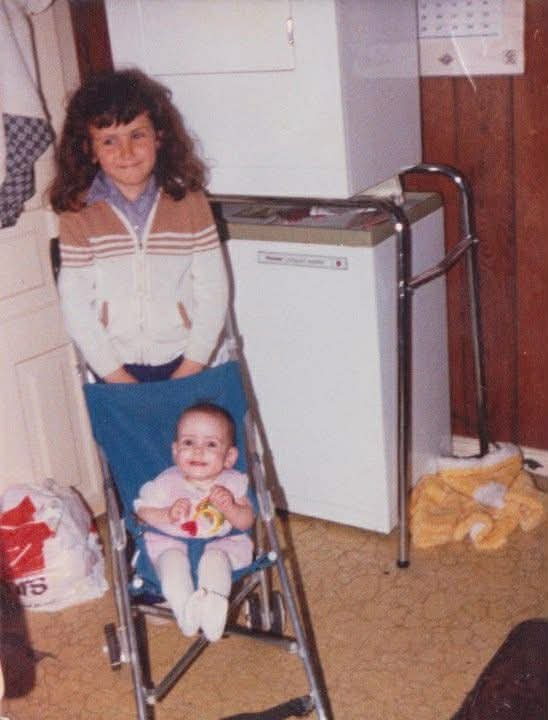
So when I fell in love with my husband, I didn’t step into caregiving — I carried it with me.
When Caregiving Comes Before Romance
Living with a partner who experiences mental health challenges related to CPTSD and anxiety means love often shows up in practical, protective ways.
It means:
Watching for signs others don’t notice
Adjusting plans to avoid triggers
Holding space when the world feels unsafe
Advocating when energy or capacity runs out
Because caregiving was already second nature to me, these patterns didn’t feel foreign. They felt automatic.
But romantic partnership asks for something different — and sometimes, that’s where the tension lives.
The Line Between Support and Control
Caregiving instincts are powerful.
They’re born from love, responsibility, and survival. But when those instincts are always active, they can quietly shift into control — even when the intention is care.
I can:
Step in too quickly
Make decisions to prevent harm instead of inviting choice
Slide into “mothering” rather than partnering
Not because I don’t trust my husband. Not because I want power.
But because this is how I’ve protected the people I love for most of my life.
Recognizing that doesn’t mean I’ve failed — it means I’m aware.
Loving Someone With CPTSD and Anxiety
Mental health caregiving doesn’t announce itself.
Some days are calm and connected. Others are shaped by anxiety, emotional fatigue, or the invisible weight of past trauma. There isn’t a clean boundary between “today is a good day” and “today is hard.”
And when you’re both a partner and a caregiver, you’re constantly recalibrating:
Is this something I need to step in for?
Am I supporting — or overriding?
Am I protecting my partner, or my own fear?
These are not easy questions. They don’t have permanent answers.
When Romance Feels Harder to Reach
There’s also grief in this role — even when love is strong.
Grief for:
Ease
Spontaneity
Being taken care of sometimes
Feeling like the roles are balanced
Missing those things doesn’t mean I love my husband less. It means I’m being honest about what caregiving changes.
Romantic love doesn’t disappear — but it sometimes requires intention to keep it visible.

Advocacy as a Form of Love — Not a Replacement for Partnership
Advocacy has always been an act of love for me.
But I’m learning — still — that loving well means checking in, not just stepping up.
It means:
Asking, not assuming
Offering support without removing agency
Letting my partner struggle without withdrawing closeness
Allowing myself to step back, even when stepping in feels safer
I don’t get this right all the time.
I’ve spent a lifetime caregiving — undoing those reflexes doesn’t happen overnight.
Access to Love Includes Caregivers
Caregivers are often expected to be endlessly capable, patient, and selfless.
But access to love means caregivers are allowed to:
Learn as they go
Outgrow old patterns
Acknowledge impact without shame
Be partners, not just protectors
Love that includes caregiving doesn’t need perfection.
It needs honesty, reflection, and room to change.
Choosing Each Other, Again and Again
Being both a caregiver and a romantic partner is not something you “balance” once and solve. It’s something you practice.
Some days I show up gently. Some days I slip into old patterns. Some days I catch myself — and some days I don’t.
But the love is real. The effort is real. And the commitment to learn — together — is real.

And sometimes, love really does look like advocacy.
Love isn’t defined by roles — it’s defined by our willingness to keep choosing each other with care.
Disclaimer - The Ability Company
The opinions shared in our blogs reflect personal experiences and viewpoints. They’re not meant to represent every journey or replace professional advice.
This content is for informational purposes only and does not replace professional advice. The Ability Company makes no guarantees about accuracy or completeness and is not liable for decisions made based on this content. Use at your own discretion.