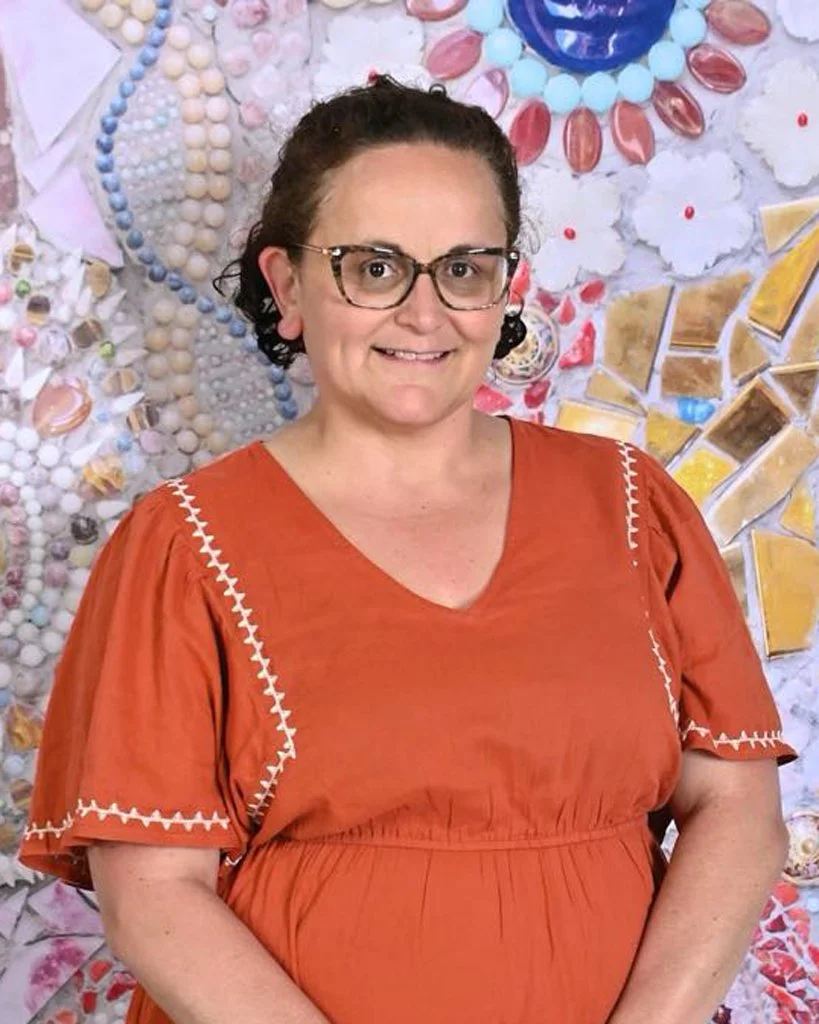
When I first became the primary caregiver for Trish, everything about that role was new to me, and to be honest, neither of us knew what we were doing yet. We were learning in real time how to navigate appointments, accessibility, advocacy, emotions, and expectations, all while trying to hold onto some sense of normalcy and stability in our lives, and there were many moments where it felt overwhelming for both of us.

What surprised me most during that early time wasn’t just how much there was to learn about caregiving itself, but how lonely the experience could feel, even though I wasn’t physically alone. I remember calling around, looking for someone to talk to, someone who understood what it meant to suddenly be responsible for so much of another person’s well-being, while also managing my own anxiety and uncertainty, and finding very little support that felt accessible or visible at the time.
I believed support had to exist somewhere, yet I couldn’t find it when I needed it most.
Caregiving often comes with an expectation of strength, and caregivers are frequently seen as the steady ones, the reliable ones, the people who hold everything together without complaint. What we don’t talk about enough is how much that expectation costs, because while caregivers may appear strong on the outside, their stress, anxiety, and emotional load are often quietly building beneath the surface.
In Canada, caregiving is far more common than many people realize, with about 1 in 4 Canadians serving as an unpaid caregiver, and over 13 million people providing care to a loved one at some point in their lives. Despite this, caregiving frequently remains invisible, and many caregivers report feeling isolated or unsupported, particularly when caring for someone full time or over a long period of time.
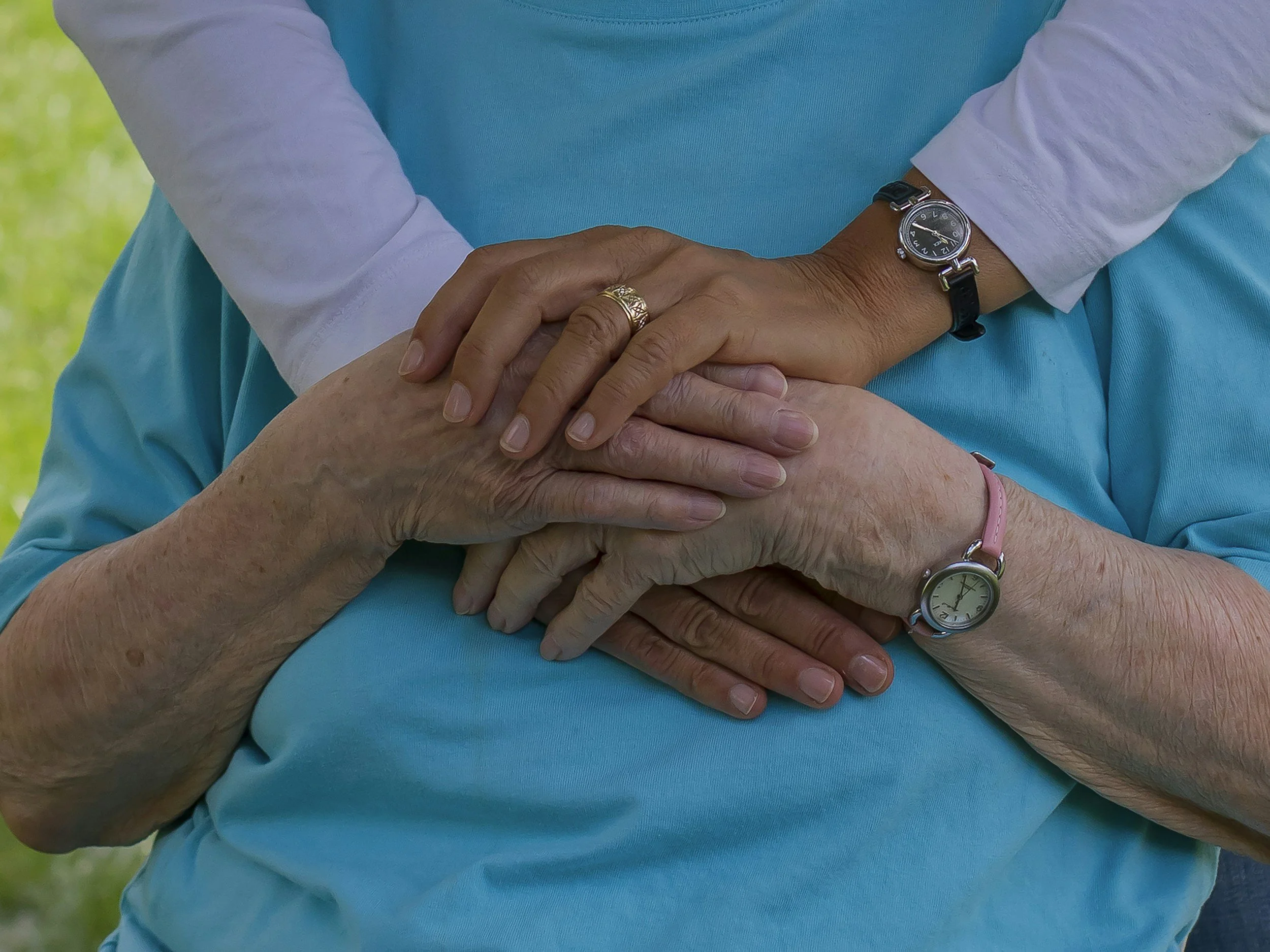
Research has shown that caregiving takes a significant toll on mental health, with one in four caregivers reporting fair or poor mental health, and nearly half describing themselves as tired, anxious, or overwhelmed due to their caregiving responsibilities.
Anxiety is especially common, as caregivers carry ongoing concern about the health, safety, and future of the person they support, often while juggling finances, work, and their own health needs.
Loneliness is another part of caregiving that doesn’t get talked about enough, even though studies have found that caregivers, particularly spousal and family caregivers, experience higher levels of social isolation over time, especially as caregiving hours increase. When much of your energy is focused on someone else’s needs, it becomes harder to stay connected, to ask for help, or even to recognize when your own mental health is being affected.
For a long time, I thought this was simply part of the role, something I was supposed to endure quietly, because that’s what caregivers do. We show up. We figure it out. We push through. What I’ve learned since is that this mindset, while common, can be harmful, because caregivers are not immune to anxiety, burnout, or mental health strain simply because they are strong or capable.
The encouraging part is that today, there is more recognition and support for caregivers in Canada than there was when I first started this journey, even though access can still depend on where you live and how visible these resources are. There are now national organizations and platforms dedicated specifically to caregivers, offering information, peer support, and connections that remind caregivers they are not alone.
Organizations such as the Canadian Centre for Caregiving Excellence provide research, advocacy, and a growing directory of caregiver resources across the country, while Caregiving Together Canada helps connect caregivers to provincial organizations, support lines, and community programs designed to reduce isolation and improve access to care.
The Canadian Mental Health Association (CMHA) also recognizes the mental and emotional impact of caregiving and offers caregiver-specific mental health resources through its national and local branches, alongside broader mental health supports well suited for both caregivers and those they support.
Looking back, I wish I had known earlier that needing support didn’t mean I was failing as a caregiver, and that feeling anxious or lonely wasn’t a personal weakness but a common response to carrying a sustained emotional responsibility. Caregivers tend their loved one’s needs with care and dedication, but their own mental health often goes untended, simply because there is no time, space, or permission given to prioritize it.
This is where the idea of tending our mental garden feels especially meaningful to me, because caregiving is not a single season or a short-term commitment. It is ongoing, evolving, and deeply human, and just like any garden, it requires attention, patience, and support to remain healthy.

Mental Health Awareness Month is a reminder that caregivers carry mental health too, even when they don’t speak about it, and that caring for someone else does not eliminate the need to care for ourselves. Caregivers should not have to be endlessly strong in isolation, and tending to their mental well-being is not only necessary, but essential for sustaining care over the long term.
If you are a caregiver reading this and recognizing yourself in these words, I want you to know that your experience is valid, your anxiety is understandable, and your need for support is real. You are not meant to do this alone, and there is no shame in reaching out, asking questions, or admitting when things feel heavy.
Caregivers keep so many lives going, but their own mental gardens deserve tending too.
Sources & Further Reading
Canadian Centre for Caregiving Excellence. Caregiving in Canada: Statistics and Insights. https://www.canadiancaregiving.org
Caregiving Together Canada. National Caregiver Resources and Supports. https://caregivingtogether.ca
Canadian Mental Health Association (CMHA). Caregiver Mental Health and Well‑Being. https://cmha.ca
Schulz, R., & Sherwood, P. R. (2008). Physical and mental health effects of family caregiving. The American Journal of Nursing, 108(9), 23–27. https://academic.oup.com
Disclaimer - The Ability Company
The opinions shared in our blogs reflect personal experiences and viewpoints. They’re not meant to represent every journey or replace professional advice.
This content is for informational purposes only and does not replace professional advice. The Ability Company makes no guarantees about accuracy or completeness and is not liable for decisions made based on this content. Use at your own discretion.