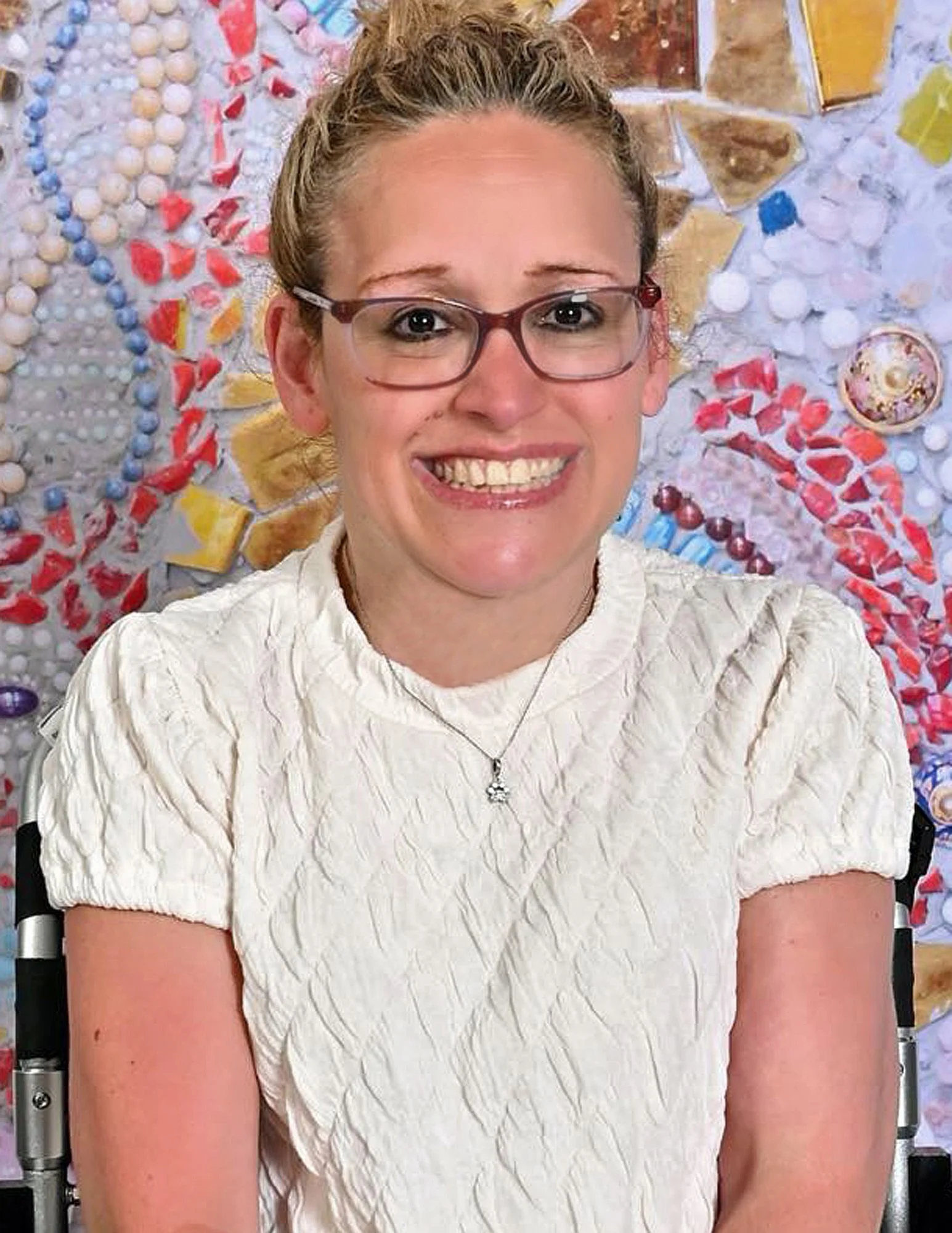
Growing up with a disability taught me a lot about creativity, adaptability, and problem-solving. Looking back, many of the experiences that helped me navigate barriers also helped shape the way I approach inclusion today. They taught me that there is almost always another way, and those lessons continue to guide my work through The Ability Company.
Learning to See Possibilities
When you grow up with a disability, you quickly realize that not everything is designed with you in mind.
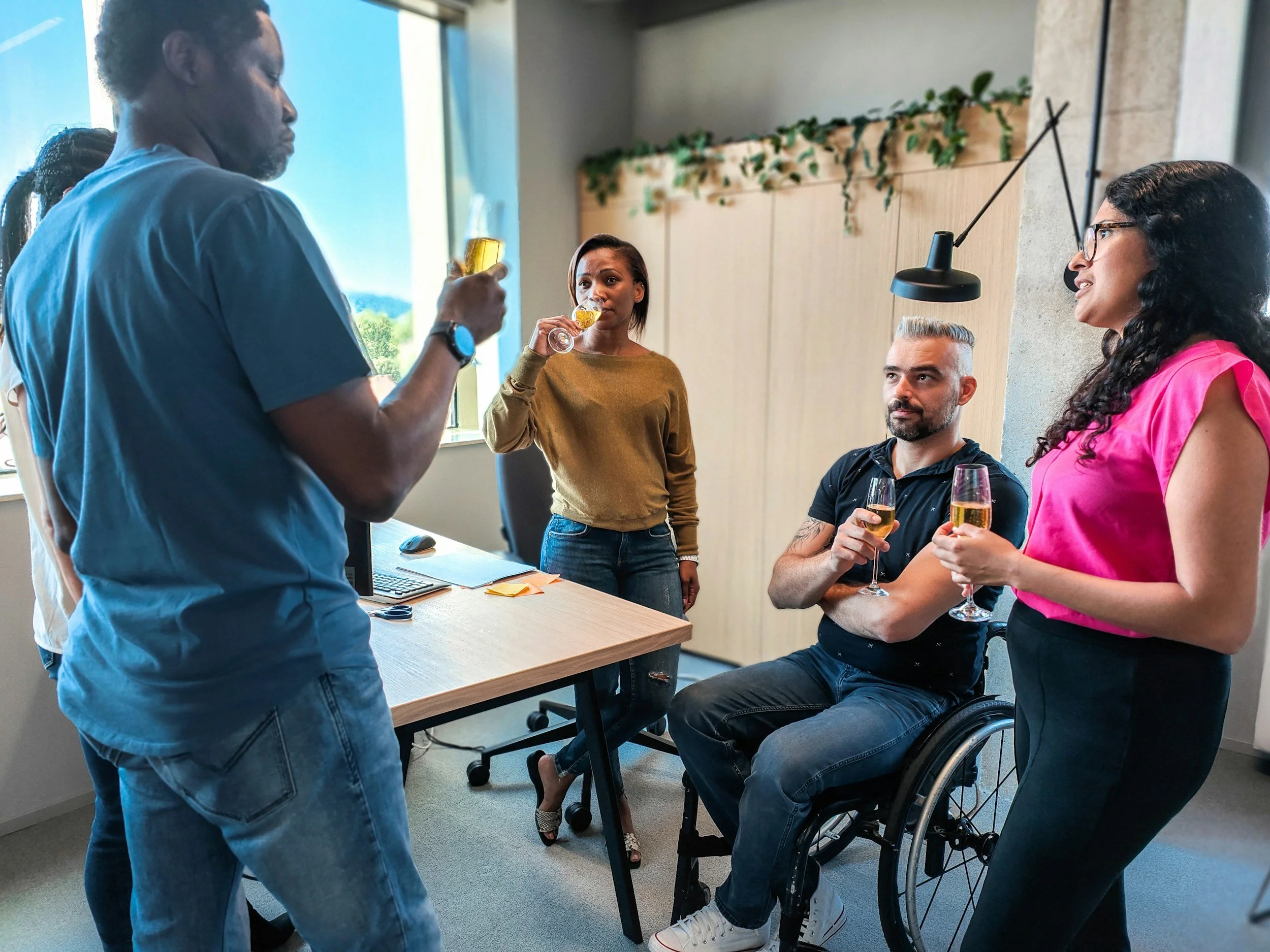
That reality can be frustrating at times, but it can also teach you how to think differently. Throughout my life, I often had to find alternative ways to participate, contribute, and be involved. Sometimes that meant adapting an activity. Sometimes it meant approaching a challenge from a completely different angle. Sometimes it simply meant refusing to accept that "it can't be done" was the final answer.
Looking back, those experiences taught me skills I didn't fully appreciate at the time. They taught me how to problem-solve. They taught me how to be creative. They taught me how to look for possibilities where others might only see obstacles.
Inclusion Doesn't Always Look the Same
I was fortunate to have a family that believed I should be included.
That didn't always mean doing things exactly the same way everyone else did. Sometimes it meant finding a different way to get to the same experience.
One example that stands out is skiing. During a high school physical education class, my teacher discovered that I could participate using an adaptive sit-ski. I enjoyed the experience so much that my family enrolled me in lessons, and I skied for several years afterward.
Another example is miniature golf. My family and friends would help me stand, and together we would swing the club and send the ball down the course. Those afternoons weren't just about the game. They were about being included, spending time together, and creating memories that remain some of my favourites from my teenage years.
Those experiences taught me something important that still guides me today: inclusion is not about everyone doing things the exact same way. Inclusion is about ensuring everyone has the opportunity to participate and belong.
Sometimes Inclusion Is Simple
I also remember playing road hockey as a kid. I was always the goalie which I didnt mind.
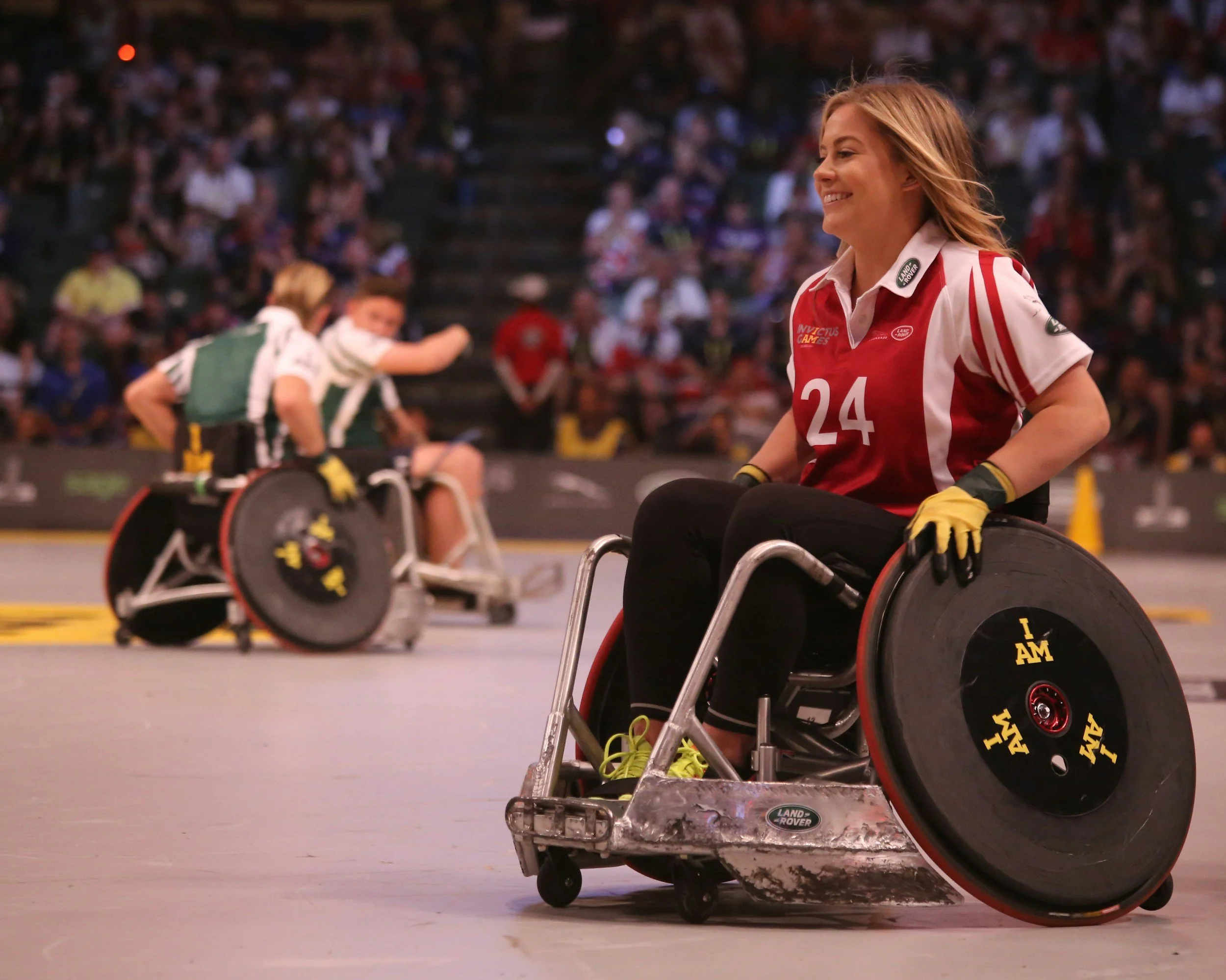
At the time, I didn't think much about it. I was simply part of the game. Looking back, I realize what a powerful example of inclusion that was.
Nobody spent their time talking about why I couldn't play. Instead, we focused on how I could be included.
That small shift in thinking makes all the difference.
When people focus on possibilities instead of limitations, solutions often appear. When people focus only on barriers, opportunities are easily missed.
Learning Through Leadership
One experience that had a significant impact on me happened during high school.
I had the opportunity to be a peer tutor for another student with a disability. What made the experience meaningful was that her needs were different from mine.
Until then, most of my disability-related experiences had been viewed through my own lens. Working with someone else helped me understand that disability is not one-size-fits-all. What works for one person may not work for another. The best way to support someone is not to assume you know what they need, but to listen and learn.
That lesson has stayed with me ever since.
Inclusion starts with understanding that people experience the world differently.
How These Experiences Shaped The Ability Company
When people ask where the ideas behind The Ability Company come from, the answer is simple: lived experience.
Many of the services, conversations, and initiatives we create are rooted in years of finding different ways to solve problems, remove barriers, and create opportunities.
Living with a disability taught me to notice things that others might not see.
Who is missing from this conversation?
Who might struggle with this process?
What barriers exist that haven't been considered?
How can we make this experience better for more people?
Those questions have become the foundation of much of the work we do.
What I once viewed as challenges have ultimately helped me become more creative, more adaptable, and more aware of the different ways people experience the world.
The True Impact of Inclusion
As we celebrate Harvesting Inclusion this month, I find myself reflecting on all the people who helped shape those lessons.
My family.
My friends.
My teachers.
My community.
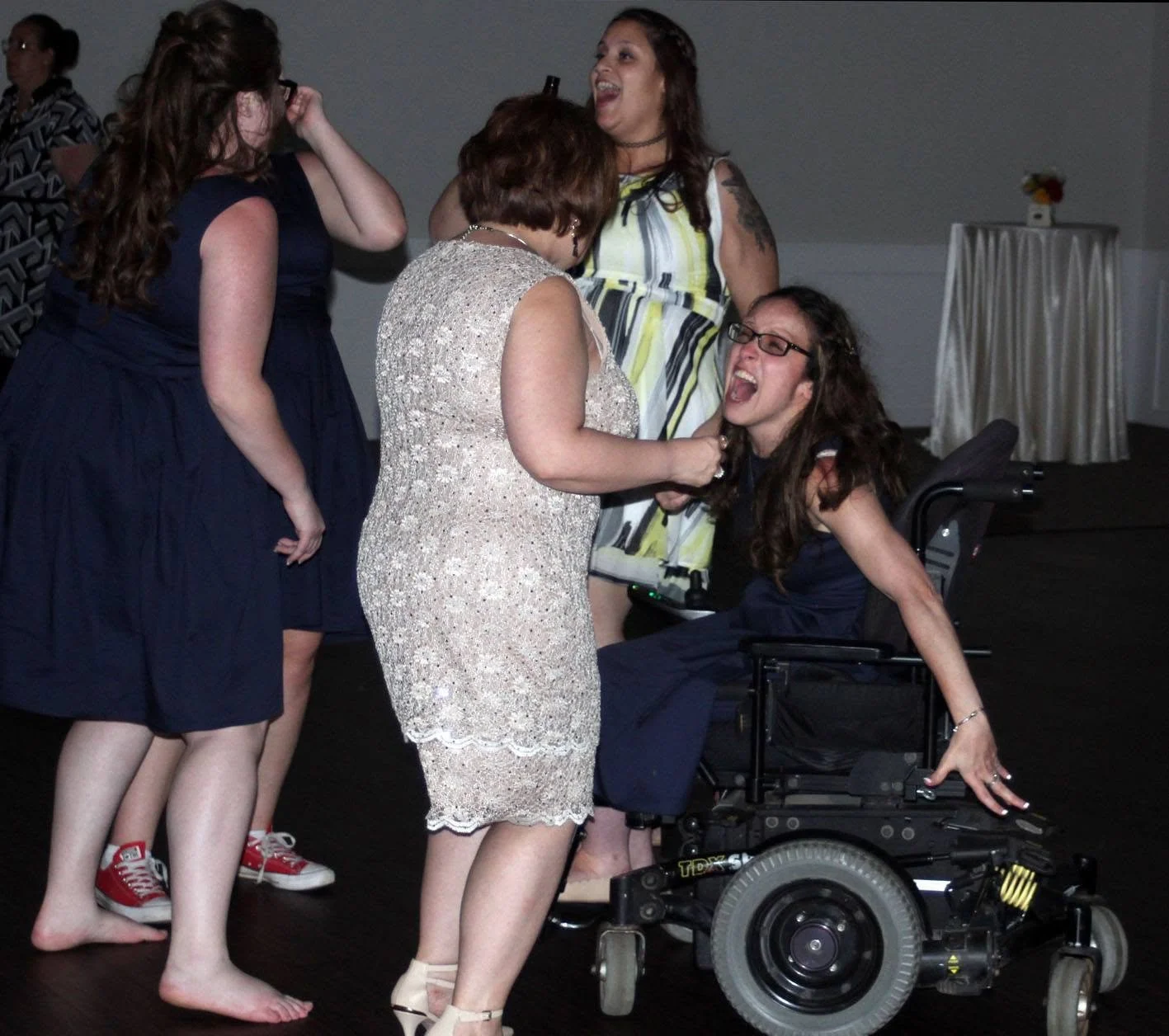
The people who didn't focus on what I couldn't do, but instead looked for ways to help me participate, contribute, and grow.
Because of those experiences, I learned more than how to navigate barriers. I learned how to help others remove them.
For me, that is one of the greatest things inclusion makes possible.
Inclusion doesn't just create opportunities for one person. It creates opportunities for that person to share their experiences, contribute their ideas, and help build a more welcoming world for others.
I know it may be impossible for an event or gathering to remove every barrier or meet every need. But my goal is always to create spaces where as many people as possible can participate, belong, and feel valued. Every step toward is a wonderful thing, and my hope is that as we continue learning and growing, we can build a world where everyone feels welcome.
And that is something worth celebrating.
Key Takeaways
Living with a disability often develops creativity, adaptability, and strong problem-solving skills.
Inclusion is not about everyone doing things the same way; it is about ensuring everyone can participate.
Experiences like skiing, road hockey, and peer mentoring helped shape Trish's understanding of inclusion.
Disability is not one-size-fits-all, and meaningful inclusion begins with listening and learning.
Lived experience provides valuable insights that can help organizations and communities become more inclusive.
The true impact of inclusion is creating opportunities for people to help remove barriers and support others
Disclaimer - The Ability Company
The opinions shared in our blogs reflect personal experiences and viewpoints. They’re not meant to represent every journey or replace professional advice.
This content is for informational purposes only and does not replace professional advice. The Ability Company makes no guarantees about accuracy or completeness and is not liable for decisions made based on this content. Use at your own discretion.