
Nourishing Neurodiversity | Vol. 1 No. 10
Growing Space for Every Mind
As we step into April — a month of fresh starts, longer days, and gentle renewal — we’re excited to explore a theme that’s close to both of our hearts: Nourishing Neurodiversity.
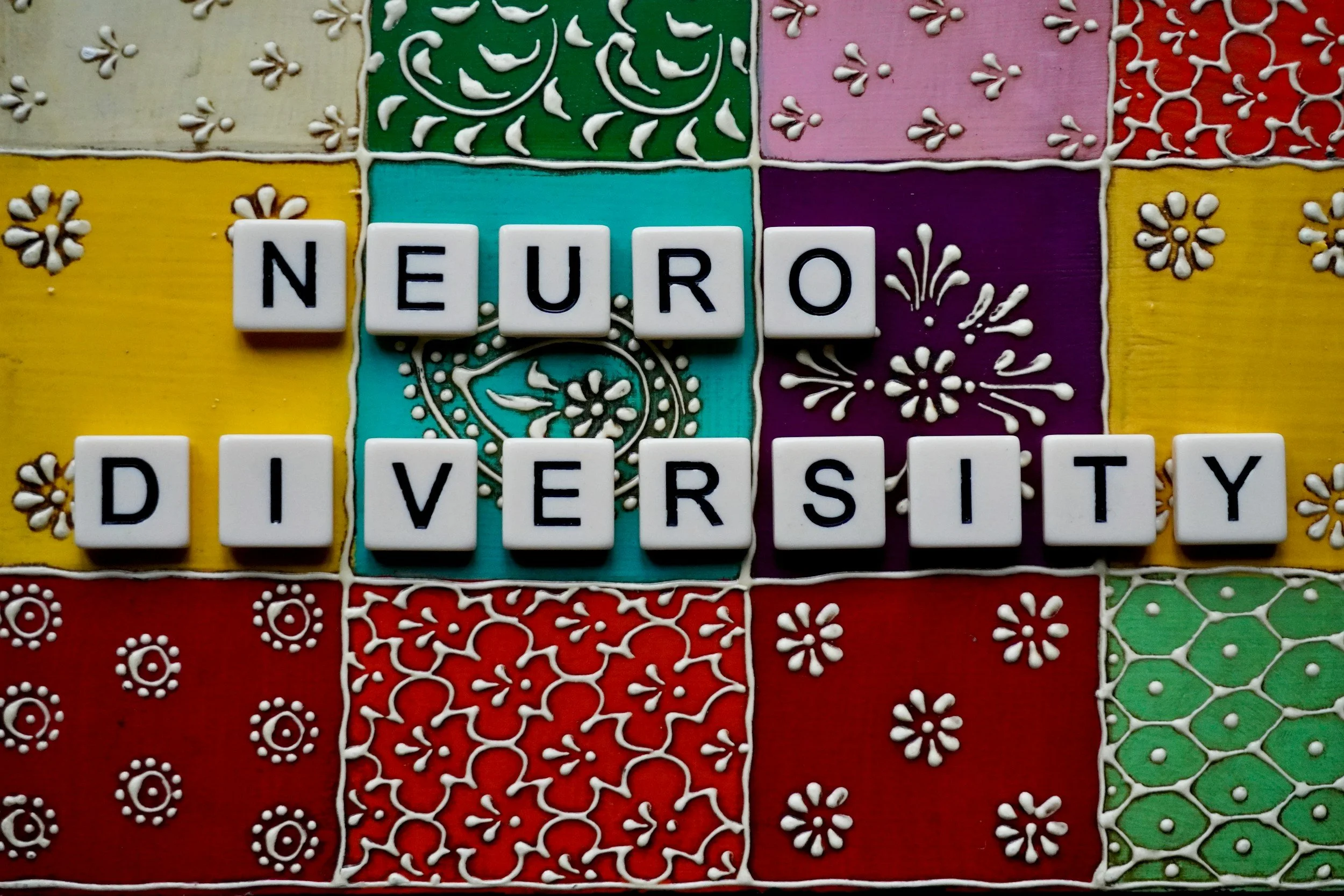
April is Neurodiversity Awareness Month and with that spring reminds us that growth doesn’t happen all at once. It happens quietly, uniquely, and in its own time. The same is true of people. This month, we want to shine a light on the many beautiful ways brains can work, connect, communicate, and thrive — and how each one of us can help create spaces where those differences aren’t just accepted, but nourished.
Whether you identify as neurodivergent, love someone who is, work alongside someone who is, or are still learning what neurodiversity means, we’re glad you’re here. Together, we hope to plant seeds of understanding, compassion, and practical inclusion that grow far beyond April.
Thanks for being a part of our community,
Jen and Trish
The Many Ways We Bloom
When people hear the word neurodiversity, they often think it’s about just one thing — usually autism or ADHD. But neurodiversity is far broader, richer, and more human than that. It’s the simple truth that every mind is different, and those differences are not flaws to be fixed, but variations to be understood, supported, and valued.
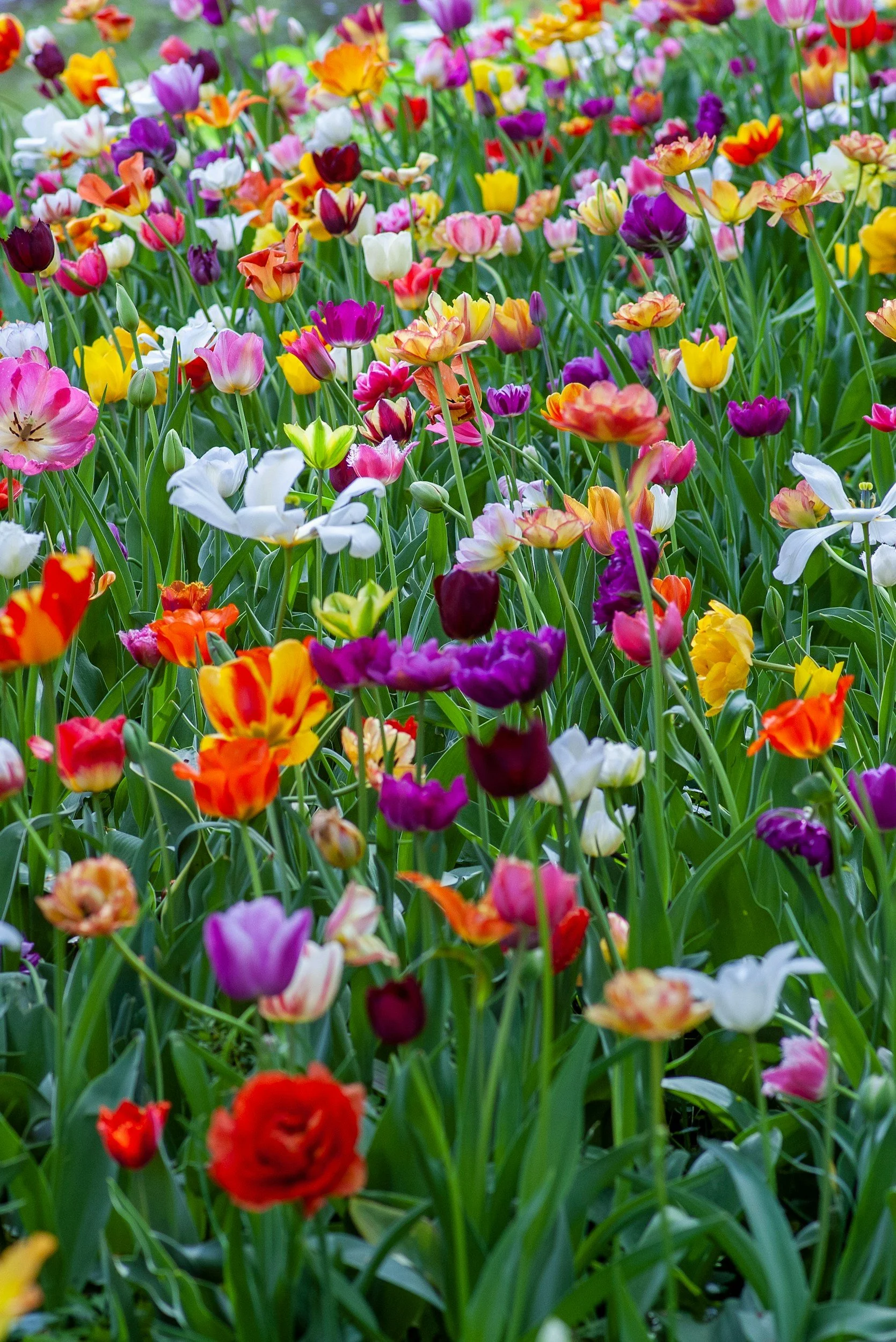
Just like a garden full of different flowers, every person blooms in their own way. Some bright and bold. Some quiet and steady. Some early, some late. But all valid — and all worthy of nourishment.
This month, we want to help our community deepen its understanding of what neurodiversity truly means — and the many ways it shows up in daily life.
Neurodiversity includes more than many people realize. For some, neurodiversity is assumed to refer only to autism. For others, maybe ADHD or dyslexia.
But neurodiversity can include people with:
Autism
ADHD
Dyslexia, dyscalculia & other learning differences
Tourette syndrome
Dyspraxia
Cognitive or developmental disabilities
Traumatic brain injury
Epilepsy
Anxiety disorders
Cerebral Palsy
OCD
And more
Neurodiversity isn’t a diagnosis; it’s a spectrum of human brain differences. It’s the idea that there’s no single “right” way to think, learn, communicate, or process the world.
And because it includes so many experiences, neurodiversity naturally touches families, workplaces, classrooms, and communities everywhere — even when we don’t realize it.
We all play a part in nourishing neurodiversity, whether we’re neurodivergent ourselves, love someone who is, or are learning for the first time.
Here are some truths worth understanding:
Neurodiversity isn’t about labels — it’s about lived realities. People don’t experience the world the same way. Their needs, strengths, and challenges vary — so our support should too.
No one’s brain is “wrong.” Differences in focus, communication, sensory processing, or learning styles are not moral failures or character flaws.
Standard systems don’t fit everyone. Workplaces, schools, and daily routines were built around one type of brain. Nourishing neurodiversity means making room for many types.
Support doesn’t mean lowering expectations. It means removing barriers so individuals can show their strengths clearly and confidently.
Language and compassion matter. Curiosity, respect, and listening — especially to those who have lived these experiences — are powerful forms of inclusion.
When we nourish neurodiversity, we create environments where people can thrive instead of struggle, communicate instead of mask, and feel understood instead of judged.
And when people feel nourished, they bloom. This is what April is about for us: expanding understanding, nurturing empathy, and making inclusion feel possible in everyday ways.
Quote of the Month
“Neurodiversity is not a problem to be solved; it’s a resource to be tapped.”
This Month in The Ability Journals

There’s more where this newsletter came from — our blog is warming up with fresh ideas, bold perspectives, and all heart. Coming on:
April 8 - What I’ve Learned About Support, Patience, and Showing Up
April 15 - Misunderstood Realities: Visibility Without Labels — Because Lived Experience Is Real Either Way
April 20 - What I’m Learning About My Brain, Our Community, and How We Support Each Other
April 27 - Ability Circles: Because We All Need People Who Truly ‘Get It’
Journal of the Month: What I’ve Learned About Support, Patience, and Showing Up
Caregiving teaches you things long before anyone uses words like neurodiversity. You notice overwhelm before it’s spoken, patterns before they’re named, and needs before they’re understood. In this Journal of the Month, Jen shares what she’s learned from supporting loved ones — that nourishment often looks like patience, predictable routines, gentleness, sensory‑safe spaces, and showing up even when you don’t fully “get” it. You don’t need a diagnosis to care, or matching lived experience to make someone’s world easier. You just need to listen, learn, and lead with compassion. This is caregiving through a neuro-affirming lens — and why it matters more than we think.
Read more here.
Behind the Scenes
We’ve been busy — in the best way. While you're reading this, we’re laying the groundwork for some exciting next steps behind the scenes.
Accessibility Partner for Plattsville 175: We’re thrilled to share that we’ve officially become the Accessibility Partner for the Plattsville 175 celebrations. This gives us a chance to help shape an event that welcomes everyone, ensuring inclusion is built right into the experience. Learn more about this event here.
Our First Collaboration Is Underway: We’re working on our first limited‑edition collaborative piece — one that holds deep meaning for Jen. It’s the beginning of a new chapter where community storytelling and design come together.
New Packaged Events for Ability Events: To make inclusive event planning easier, we’ve created packaged offerings for one‑day events, Pow Wow’s, and multi‑day gatherings. These options support those who don’t need full consultation but still want accessibility done right. Check them out here.
Workshop Collaboration Opportunities: We’re exploring new workshop partnerships that have the potential to bring inclusive education to more communities, workplaces, and organizations. These early conversations are full of possibility.
Preparing for Rogers TV Recording: We’re in the process of securing a slot to begin recording with Rogers TV — a big step toward sharing inclusion‑focused stories, conversations, and perspectives with a wider audience.
Word of the Month: Neuro-affirming
An approach that supports, celebrates, and respects neurodivergent ways of thinking and communicating — instead of trying to change them.
Important Dates to Remember

Mark your calendars — here are some key dates coming up that you won’t want to miss!
April: Neurodiversity Awareness Month
April: Autism Awareness & Acceptance Month
April 7: National Caregivers Day
April 11: World Parkinson Day
April 16: World Voice Day
April 29: International Guide Dog Day
Service Spotlight: Ability Cirlces
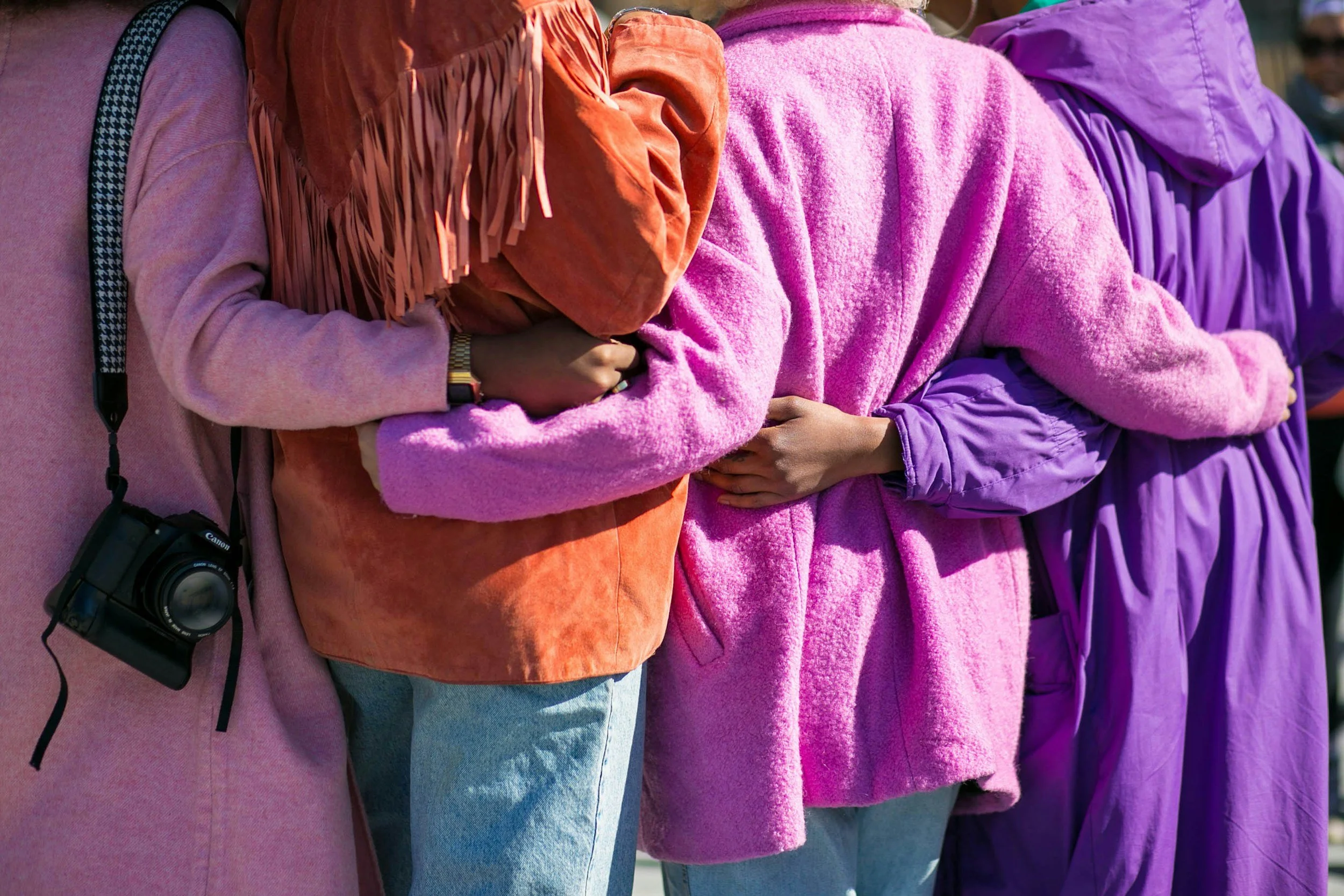
Ability Circles is a welcoming community where people with disabilities and caregivers come together to learn, share, and feel supported. Through our monthly virtual gatherings — Bear Circle for individuals with disabilities and Owl Circle for caregivers — we create space for varied ways of thinking, communicating, and experiencing the world. Members connect through shared stories, deepen understanding, and build relationships grounded in respect and care. Plus, enjoy member perks like discounts, early access, and savings on group trips.
A community where every mind and every experience has a place.
Learn more here.
Product Spotlight: Misunderstood Realities Line - 10% Off This Month Only
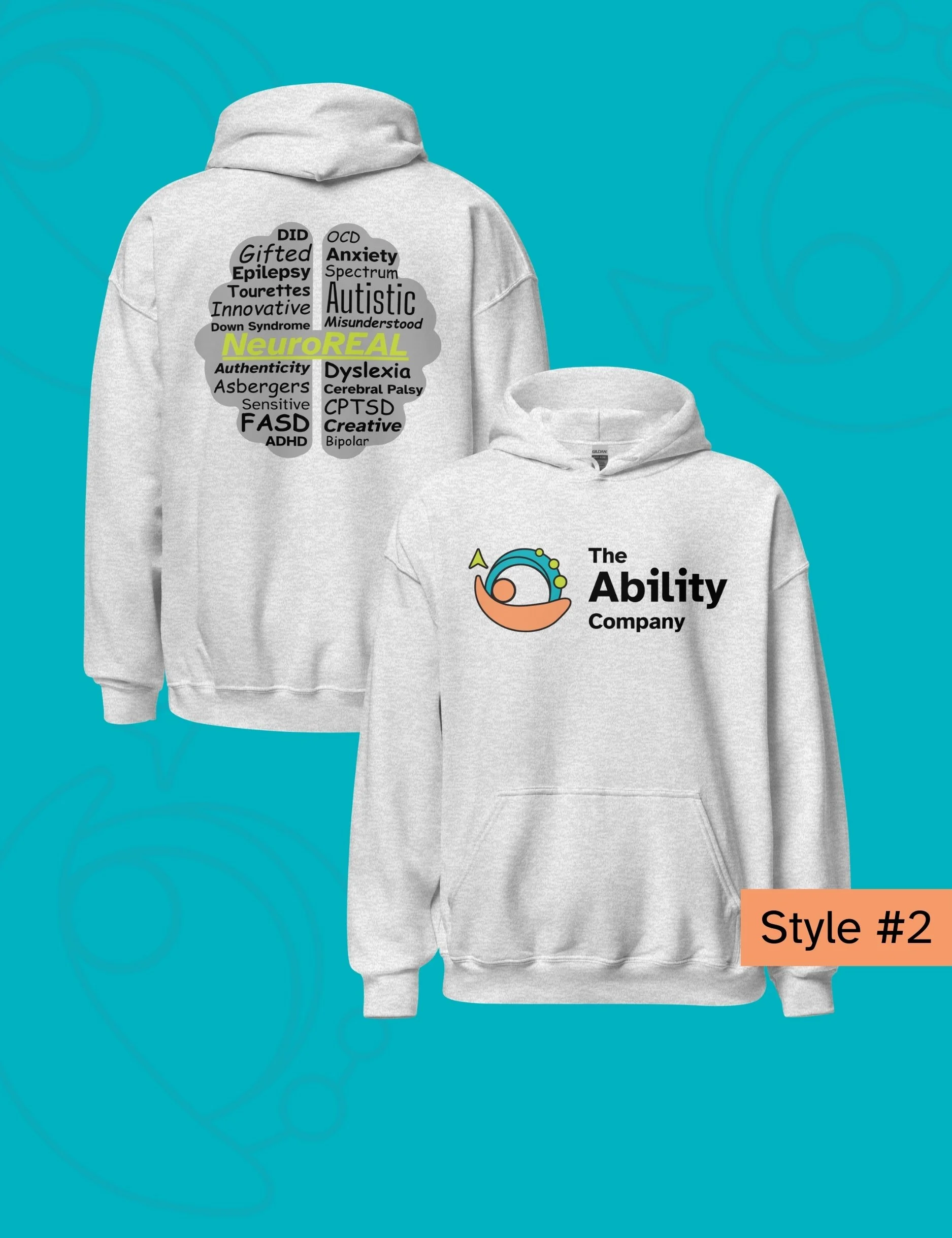
These designs affirm what so many people feel, but rarely say out loud: your experiences are real, your needs matter, and you deserve to be seen. And for April, all Misunderstood Realities pieces are 10% off in celebration of nourishing neurodiversity.
Check it out in the shop.
YouTube Spotlight: Evolving Our YouTube Experience

We’re making a few thoughtful changes to our YouTube channel, so we can create content that feels meaningful and sustainable. Full episodes take a significant amount of time to plan, film, edit, and produce — time we want to spend in ways that genuinely nourish our community.
So moving forward, you’ll see more YouTube Shorts: quick, accessible, bite‑sized pieces of advocacy, storytelling, and behind‑the‑scenes moments. Full‑length episodes will still happen, but only for special topics that deserve deeper conversation. This shift lets us stay connected more often, share more in-the-moment insights, and focus our energy where it matters most.
Loved what you read? Share this issue, send us your thoughts, or follow us on socials to keep the conversation going.
Disclaimer - The Ability Company
The opinions shared in our blogs reflect personal experiences and viewpoints. They’re not meant to represent every journey or replace professional advice.
This content is for informational purposes only and does not replace professional advice. The Ability Company makes no guarantees about accuracy or completeness and is not liable for decisions made based on this content. Use at your own discretion.
