Learning to Understand What We Can’t Always See
I want to begin with honesty, because that feels important when we talk about mental health and awareness in any meaningful way. I don’t fully understand mental health, especially when it comes to understanding it in other people, and I’ve come to realize that admitting this is not a weakness but a necessary place to begin.

Not because mental health isn’t important to me, but because it is. It’s complex, layered, and deeply personal, and the more I listen and learn, the more I understand just how much there still is to learn. Mental health isn’t something you study once, grasp completely, and then carry around with confidence.
It’s something you stay open to, something you approach with humility, and something that requires a willingness to listen far more than it requires having answers.
We all carry mental health with us, whether we talk about it openly or not, but the ways it shows up in our lives can look vastly different from one person to the next. Some experiences are visible, while others are quietly carried beneath the surface, shaped by past experiences, trauma, access to support, and the simple reality of how safe someone feels being honest. I’ve learned that assuming I understand someone else’s mental health based on appearances, or even based on my own experiences, can unintentionally close doors that might have stayed open if I had simply paused and listened.

That’s where the idea of tending a mental garden has resonated so deeply for me.
When you tend a garden that doesn’t belong to you, you don’t decide what should grow there or how quickly it should change. You don’t remove things just because you don’t recognize them, and you don’t assume that growth should look the same from one season to the next. Instead, you observe, you ask questions, and you respect what is already there, understanding that every garden has its own rhythm, history, and needs.
Mental health feels very much the same.
As someone who lives with a disability and has spent much of my life connected to caregiving and community spaces, I’ve seen how easy it is to misunderstand what we cannot immediately see. Someone may appear capable, upbeat, or “fine,” while quietly carrying anxiety, grief, or exhaustion that few people notice, while someone else may withdraw, struggle to engage, or respond in ways that are often misread as disinterest or resistance, when in reality they are navigating a mental landscape shaped by stress, overwhelm, or survival.
I’m learning that awareness does not come from having the right words or offering solutions, especially when they weren’t asked for. It comes from resisting the urge to fix, explain, or compare, and instead allowing space for people to be honest in their own way and in their own time. It also requires recognizing that access, disability, lived experience, and safety all play a role in mental health, and that none of these factors operate in isolation.
Spring often brings with it an expectation of renewal and growth, an idea that brighter days should automatically lead to lighter feelings, and when those expectations quietly extend to mental health, particularly to other people’s experiences, they can create pressure where patience is needed most. Mental health does not respond well to timelines, encouragement to “push through,” or expectations that improvement should follow a visible pattern.
Tending a mental garden, whether our own or someone else’s, takes patience, attentiveness, and respect for uncertainty. It asks us to accept that some seasons are not about blooming or progress but about stabilization, protection, and rest, and that these quieter seasons are not signs of failure but necessary parts of care.
What I continue to learn is that openness itself is a powerful form of support.
Being willing to say that we don’t fully understand, that we are still learning, and that we are open to listening without judgment can create safety in ways that advice often cannot. Saying “tell me what you need,” or “I may not understand this fully, but I care and I’m here,” can matter more than saying the right thing ever will.
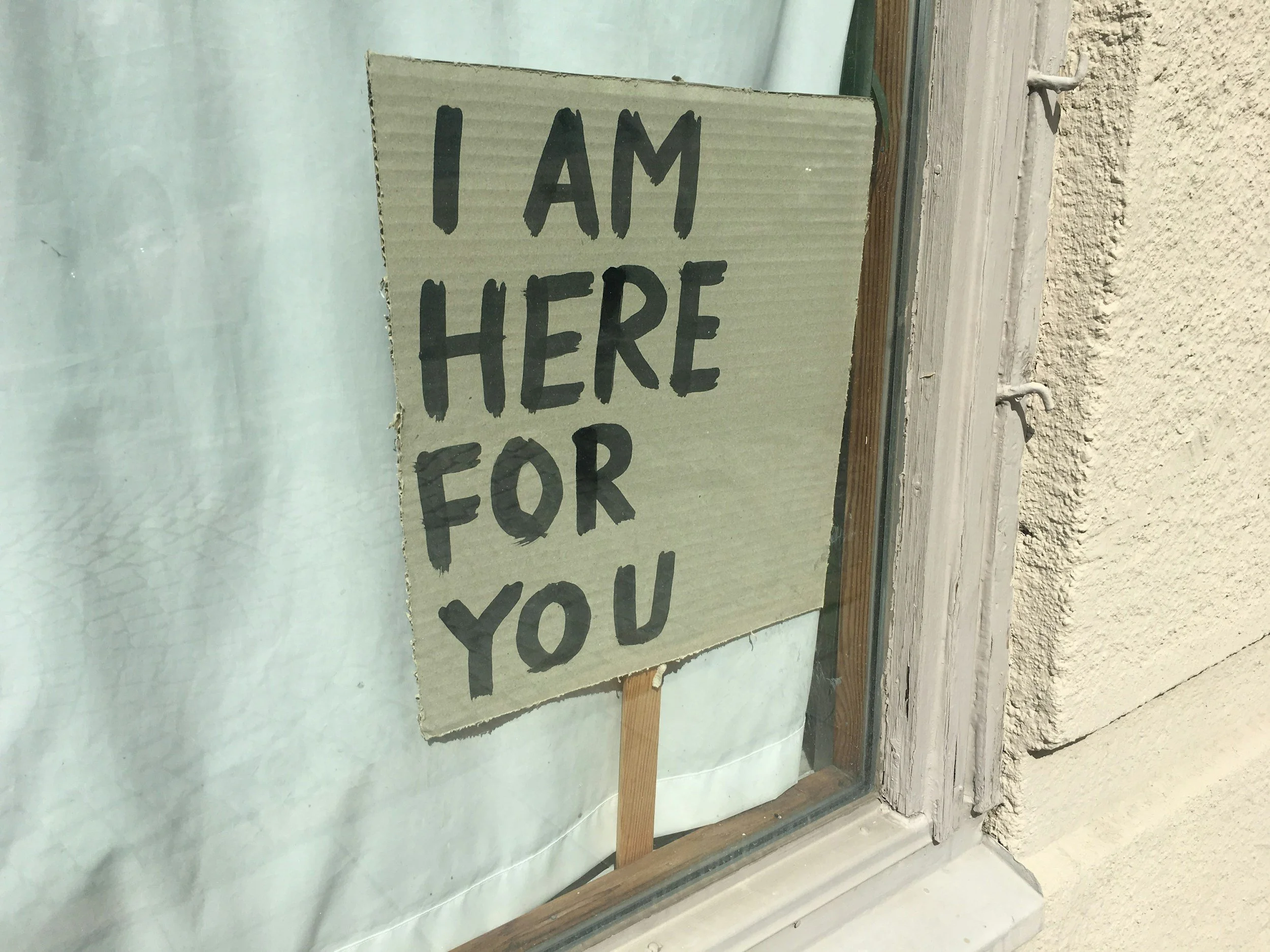
Mental Health Awareness Month, for me, is not about having perfect language or presenting ourselves as informed experts. It’s about choosing curiosity over certainty, compassion over assumption, and presence over prescription, especially when we are invited into conversations that require care and humility.
We all carry mental health with us, but none of us experience it in exactly the same way, and understanding that difference requires us to remain gentle, patient, and willing to learn. This season, I am choosing to stay open, to listen more than I speak, and to tend carefully, knowing that awareness is not about knowing everything but about being willing to hold space for what we do not yet understand.
Disclaimer - The Ability Company
The opinions shared in our blogs reflect personal experiences and viewpoints. They’re not meant to represent every journey or replace professional advice.
This content is for informational purposes only and does not replace professional advice. The Ability Company makes no guarantees about accuracy or completeness and is not liable for decisions made based on this content. Use at your own discretion.